






Deploying physical AI for healthcare.

Helipad H1Urgent care changes every route

Emergency departmentApproval, consent and privacy first
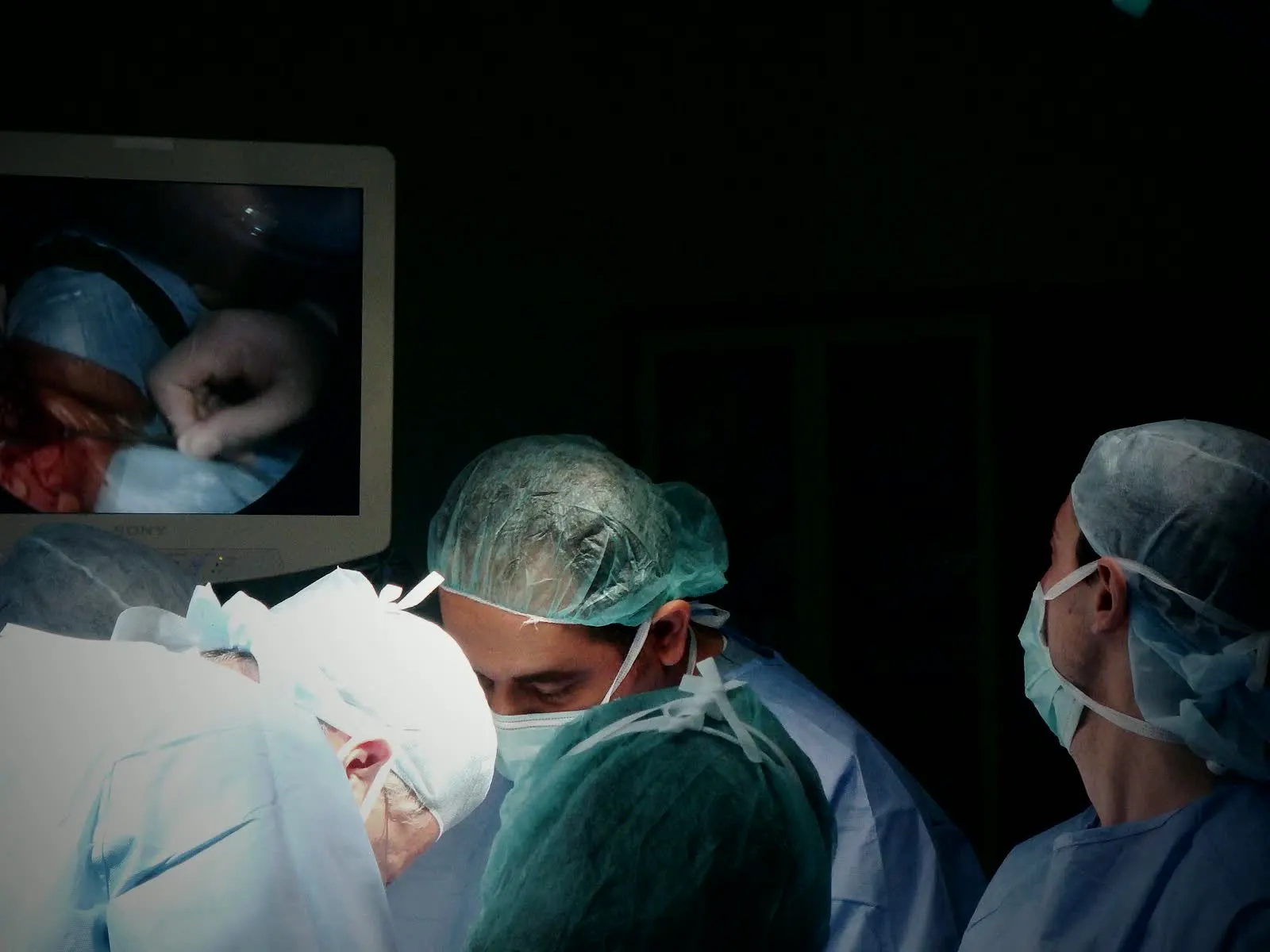
Operating room 3Staff narrate each step

PharmacyRestock runs captured on iPhone
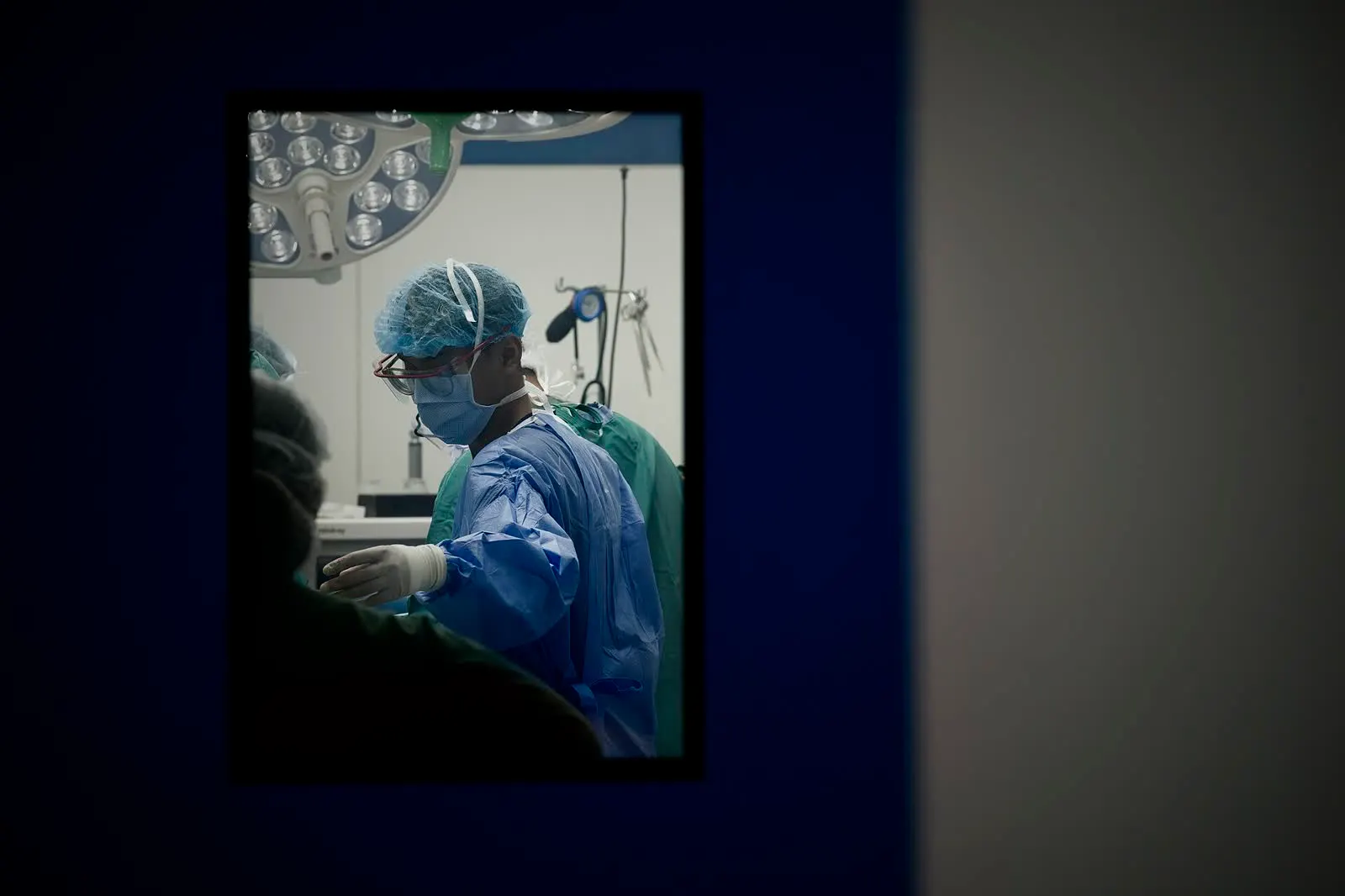
OR corridorSecure doors mapped

Trauma bay 01Every shift, captured

Ward 6 eastRoutes verified in simulation

Service elevatorsDeployed and measured on site
The need
With an 8% nurse shortage by 2028, routine hospital work needs robots.
8%Projected U.S. registered nurse shortage in 2028, across care settings.
180,800Projected registered nurse openings each year, 2025–2035, including replacements.
Sources: HRSA, December 2025; U.S. Bureau of Labor Statistics.
The problem
Healthcare wasn’t built for robots.
Before a robot can work in a hospital, it needs hospital approval, consent and privacy safeguards. It must adapt to urgent care and shift changes and navigate secure doors and shared elevators. These barriers mean healthcare robots rarely reach the floor.
How it works
From hospital approval to working deployment.
Get approval
Consent and privacy signed off with the hospital.
Capture the work
Staff demonstrate the task across shifts and routes.
Train the robot
On our data and task specification.
Deploy and measure
Deploy robots into hospital operations, measure success, and iterate.
Team
Experience across healthcare and physical AI.

Ali Haroon
Co-founder, CEO

Matt Domingo
Co-founder, CTO

Ryan Wang
Co-founder, CPO
Hospitals we’ve worked in




Experience across physical ai




Advisor, program & partner



Contact